

Definition
A balance test is a non-invasive clinical assessment used to evaluate how well your body maintains posture and stability. These tests are crucial for identifying issues in the vestibular system, vision, and proprioception (the body’s sense of position), all of which contribute to your ability to stay upright and move confidently through your environment.
At NeuroAudiology, balance testing is a key part of our vestibular assessment services. These evaluations help us determine the cause of symptoms such as dizziness, unsteadiness, or frequent falls, and they form the foundation for personalised treatment plans that restore balance and improve quality of life.
Why Are Balance Tests Important?
Maintaining balance involves coordination between your inner ear (vestibular system), your eyes, your muscles and joints, and your brain. If one part of this system is not working properly, the brain receives conflicting signals about your body’s position and motion. This can lead to dizziness, vertigo, instability, or even falls.
Balance tests help identify which part of the balance system is not functioning correctly. These results guide treatment strategies, including vestibular rehabilitation therapy, medical referrals, or lifestyle modifications.
Balance testing is particularly important for individuals who experience:
- Dizziness or vertigo
- Unexplained falls or instability
- Motion sensitivity
- Difficulty walking, especially in the dark or on uneven ground
- A history of inner ear disorders, such as Meniere’s disease or vestibular neuritis
- Post-concussion symptoms
- Age-related balance decline
What Does a Balance Test Involve?
Balance testing is made up of a series of simple yet effective assessments. At NeuroAudiology, we take a tailored approach, selecting the most relevant tests based on your symptoms and medical history.
Some of the most common balance tests include:
Romberg Test
This is a basic test where you are asked to stand still with your feet together, first with your eyes open, then with your eyes closed. If you become unsteady without visual input, it suggests an issue with your vestibular or proprioceptive system.
Tandem Walk Test
Also known as heel-to-toe walking, this test checks your ability to maintain balance while walking in a straight line. Difficulty completing the walk may indicate problems with motor control, inner ear function, or coordination.
Head Impulse Test
In this test, your clinician will ask you to focus on a target while they gently move your head side to side. It checks whether your eyes can stay focused during head movements, which is a key function of the vestibulo-ocular reflex.
Dynamic Visual Acuity Test
This measures how well you can see clearly during head movement. If your vision blurs when your head moves, it can be a sign of vestibular hypofunction.
Clinical Test of Sensory Interaction in Balance (CTSIB)
Also known as the “foam and dome” test, this method evaluates how your body responds to different balance conditions by manipulating visual, vestibular, and proprioceptive inputs.
What Conditions Can Balance Testing Help Diagnose?
Balance tests are an essential diagnostic tool for a wide range of vestibular and neurological conditions. Some of the most common conditions identified through balance testing include:
- Benign Paroxysmal Positional Vertigo (BPPV)
- Vestibular Neuritis
- Labyrinthitis
- Meniere’s Disease
- Persistent Postural-Perceptual Dizziness (PPPD)
- Vestibular Migraine
- Cerebellar ataxia or other neurological balance disorders
- Post-concussion vestibular dysfunction
In older adults, balance tests can also help assess the risk of falls and determine whether intervention is needed to improve mobility and safety.
What to Expect During a Balance Test at NeuroAudiology
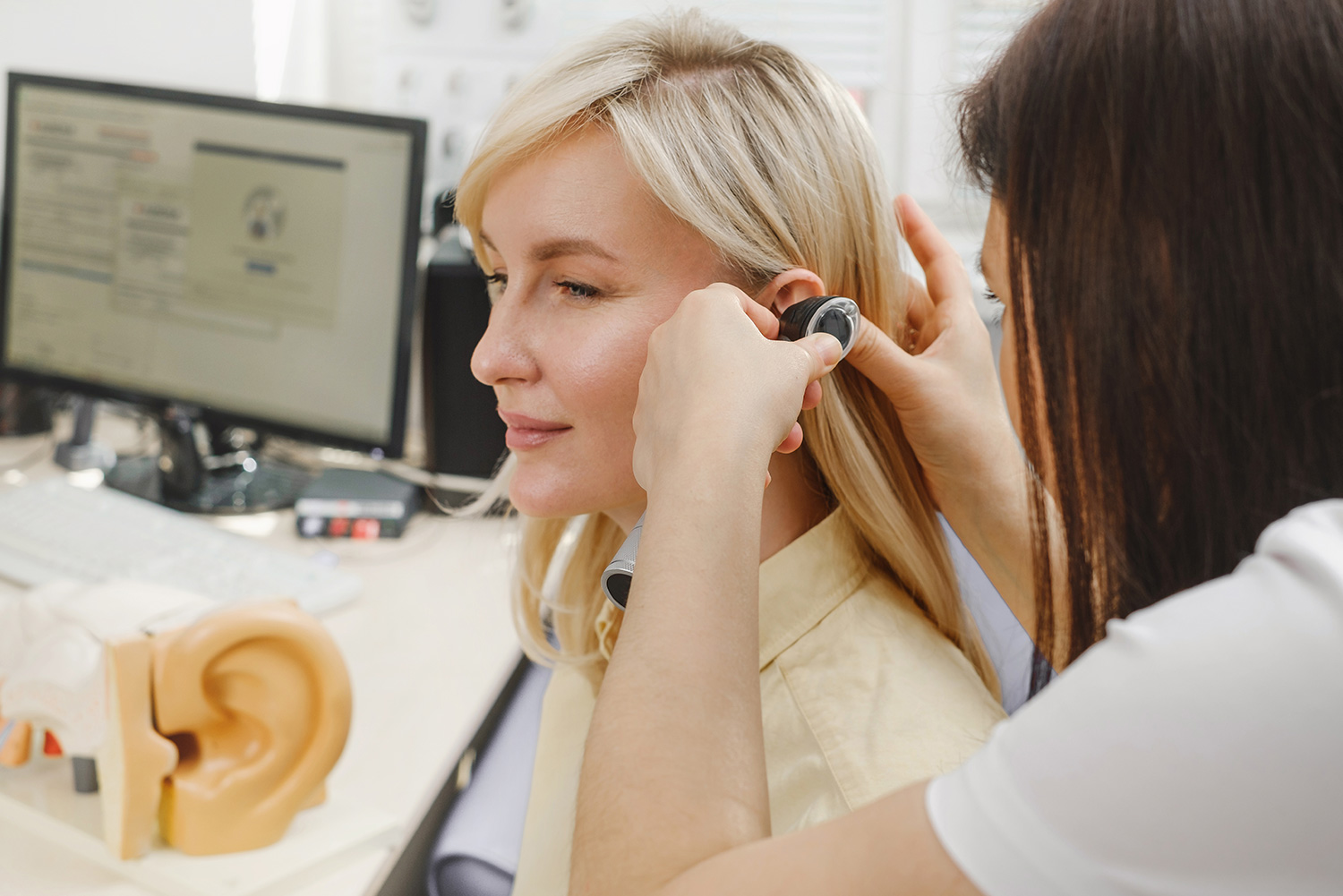
If you are referred for a balance test at NeuroAudiology, you can expect a professional, caring, and evidence-based experience. Your appointment will begin with a detailed conversation about your symptoms, medical history, and any medications you may be taking.
The tests themselves are safe and non-invasive. Some patients may feel slightly dizzy during certain tests, especially if they are already experiencing vestibular issues, but our clinicians will monitor you closely and ensure your comfort throughout the process.
After the assessment, you will receive a clear explanation of the results. If a vestibular condition is identified, we will discuss treatment options, which may include vestibular rehabilitation therapy, referral to an ENT specialist or neurologist, or coordination with other healthcare providers. Our team is focused on making sure you feel supported and informed at every step of your care.
Who Should Get a Balance Test?
You may benefit from a balance test if you:
- Have a history of dizziness, vertigo, or balance issues
- Feel unsteady when walking or standing
- Experience motion sensitivity, especially in cars or crowded environments
- Have had a recent fall or feel at risk of falling
- Have been diagnosed with a vestibular condition
- Are recovering from concussion or head trauma
- Have unexplained visual or spatial disorientation
Children, adults, and older individuals can all benefit from balance testing, especially when symptoms interfere with day-to-day activities or quality of life.
How Balance Testing Supports Vestibular Therapy
Balance test results are not only useful for diagnosis, they also form the foundation of effective treatment. At NeuroAudiology, we use these findings to create customised vestibular rehabilitation therapy (VRT) programs.
This may include exercises to improve gaze stability, enhance postural control, and reduce symptoms of motion sensitivity. Each VRT program is tailored to your individual goals and can make a substantial difference in regaining your confidence, safety, and independence.
Balance Testing and Fall Prevention
Falls are one of the leading causes of injury in older Australians. Many falls are caused by underlying balance problems that go unrecognised and untreated. Routine balance testing can help detect these issues early and allow for intervention before a fall occurs.
Our clinic is equipped to provide both diagnostic testing and preventative care, supporting safer mobility and better ageing outcomes for older adults and at-risk individuals.
Frequently Asked Questions
Is a balance test painful or invasive?
No. All balance tests are non-invasive and designed to be gentle. Some people may feel mild dizziness during certain parts of the assessment, but the tests are safe and closely monitored by a trained clinician.
How long does a balance assessment take?
A full vestibular and balance assessment typically takes between 60 and 90 minutes, depending on the complexity of your symptoms.
Do I need a referral for a balance test?
You do not need a referral to book a balance assessment at NeuroAudiology. However, we are happy to work with your GP, ENT specialist, or physiotherapist if required.
What happens after the test?
You will receive a clear explanation of the results. If treatment is needed, we will guide you through the next steps, which may include vestibular therapy or further referral to a specialist in our network.
Conclusion
A balance test is a crucial tool for identifying the causes of dizziness, instability, and falls. At NeuroAudiology, we offer detailed, compassionate, and clinically proven balance assessments to help you understand what is happening in your body and what you can do to feel better.
If you are concerned about your balance or have been experiencing unexplained dizziness, reach out to our team to book a comprehensive balance assessment. Early diagnosis and tailored treatment can make all the difference.
