

Hearing loss is more than just a medical condition; it affects your relationships, career, social life and emotional wellbeing. For many individuals, traditional hearing aids are the first step toward managing their hearing difficulties. These devices work by amplifying sound, making it easier to hear in a variety of environments. However, as hearing loss progresses, particularly in cases of severe to profound sensorineural hearing loss, amplification alone may no longer be sufficient. If you have reached a point where your hearing aids are no longer helping the way they used to, it may be time to consider the next step. One option that could offer life-changing results is cochlear hearing implants.
At NeuroAudiology, we specialise in advanced hearing care, and we work closely with Hearing Implants Australia to provide comprehensive cochlear hearing implant assessments and rehabilitation programs. We also collaborate with respected ENT specialists and neurologists, including Dr Chang, to ensure that each patient’s health journey is as smooth, informed and supportive as possible. If you are unsure whether you might be a candidate for cochlear hearing implants, the following signs may help guide your decision.
1. You Struggle to Understand Speech Even When Wearing Hearing Aids
One of the most common signs that you may be a candidate for cochlear hearing implants is difficulty understanding speech, even when using well-fitted and high-quality hearing aids. You might feel like you can hear people speaking, but their words lack clarity, especially in environments where there is background noise. This is not just frustrating; it can be mentally exhausting. You may find yourself asking people to repeat themselves frequently, avoiding group conversations, or steering clear of restaurants, family events and social situations because communication has become too difficult. This struggle is especially common in people with sensorineural hearing loss, where the inner ear or auditory nerve is damaged. In these cases, hearing aids can only do so much. They make sounds louder but do not necessarily make them clearer. Cochlear hearing implants, on the other hand, bypass the damaged areas of the ear and directly stimulate the auditory nerve, providing a clearer signal that the brain can interpret more easily. If you are regularly finding that your hearing aids are not giving you the clarity you need to function confidently in everyday situations, it may be time for a more comprehensive hearing assessment to determine whether cochlear hearing implants would offer a more effective solution.
2. Your Hearing Loss Has Been Diagnosed as Severe to Profound Sensorineural Hearing Loss
Hearing loss exists on a spectrum, and people with mild or moderate loss can often manage well with traditional hearing aids. However, if your hearing has been diagnosed as severe to profound sensorineural hearing loss, hearing aids might no longer be enough. This level of hearing loss means that even at maximum volume, many everyday sounds remain muffled or unclear. For individuals in this category, cochlear hearing implants may offer significantly improved hearing outcomes. At NeuroAudiology, we perform comprehensive assessments to determine whether someone is a good candidate for cochlear hearing implants. We look at the degree and type of hearing loss, how well current hearing aids are performing, speech understanding scores and other factors. If we identify that you meet the criteria, we will guide you through the cochlear hearing implant journey, including referrals to our partner specialists at Hearing Implants Australia and follow-up care with experienced professionals such as Dr Chang. By taking action sooner rather than later, you can reduce the risks associated with auditory deprivation, where the brain loses the ability to process sound due to long-term lack of stimulation. Early intervention can help preserve your remaining auditory function and increase the chances of a successful outcome after implantation.
3. You Experience Chronic Tinnitus or Struggle with Balance
Tinnitus is a persistent sound in the ears that may be described as ringing, buzzing, whistling or hissing. It can range from mildly annoying to severely disruptive, affecting sleep, concentration and emotional wellbeing. Many people with severe hearing loss also experience tinnitus, and for some, it can be a daily source of stress and discomfort. Research has shown that cochlear hearing implants may help reduce or eliminate tinnitus for certain individuals. By restoring more consistent and meaningful sound input to the brain, these implants can redirect focus away from the phantom sounds, offering much-needed relief. In addition to tinnitus, some people with hearing loss also struggle with balance issues. The inner ear plays a key role in both hearing and balance, and when one system is affected, the other may be compromised as well. At NeuroAudiology, we offer assessments and therapy programs for vestibular conditions that may affect your balance and coordination. If you are experiencing both hearing loss and symptoms such as dizziness, unsteadiness or vertigo, it is worth exploring whether cochlear hearing implants and vestibular rehabilitation can improve your overall quality of life.
4. Your Current Hearing Aids Are No Longer Meeting Your Needs
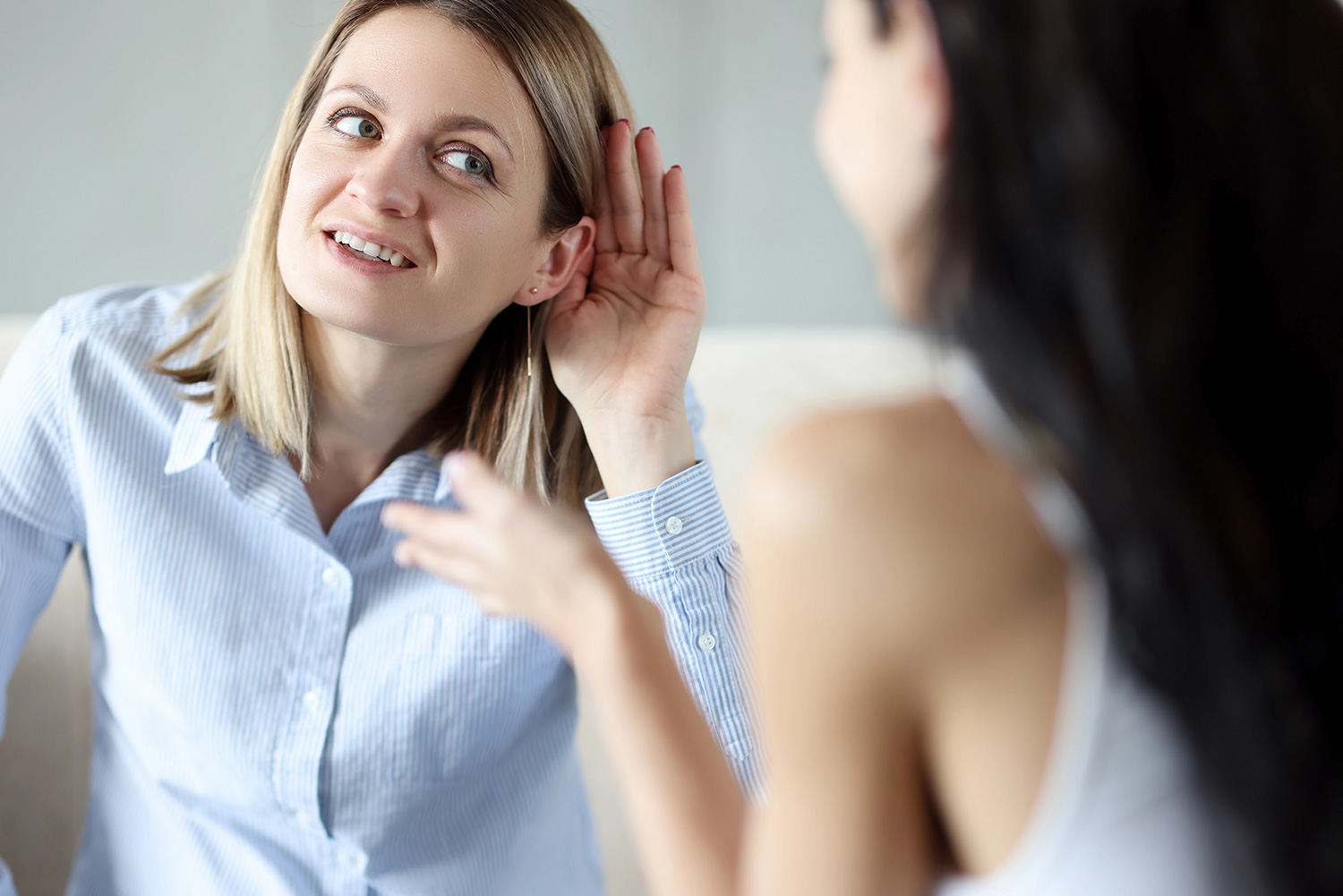
Many people begin their hearing journey with hearing aids and find that they work well for a period of time. But over time, as hearing loss progresses, even the most powerful hearing aids may not be enough to meet your daily needs. You may start to notice that background noise becomes overwhelming, that speech sounds are distorted or difficult to follow or that you are constantly adjusting the volume without much improvement. If hearing aids are no longer helping you engage with others, maintain independence or feel confident in social and work situations, then cochlear hearing implants could be the next logical step. Unlike hearing aids, which rely on amplifying sound and passing it through a damaged auditory system, cochlear hearing implants provide a more direct method of delivering sound to the brain by stimulating the auditory nerve itself. At NeuroAudiology, our team will work with you to determine whether your current hearing aids are still appropriate or if a more advanced option like cochlear hearing implants should be explored. We also assist with National Disability Insurance Scheme (NDIS) queries, helping you understand your eligibility and access support for hearing-related services and rehabilitation.
5. Hearing Loss Is Impacting Your Mental and Emotional Wellbeing
Hearing is not just about receiving sounds. It plays a vital role in how we interact with others, how we engage with our environment and how we maintain our sense of identity and independence. When hearing loss becomes severe, it can have a ripple effect on mental health, leading to social withdrawal, reduced participation in daily activities, loneliness, depression and cognitive decline. If you have found yourself avoiding phone calls, turning down invitations or feeling frustrated by the constant effort needed to follow conversations, it may be time to take action. Cochlear hearing implants, in combination with proper rehabilitation and ongoing care, can restore not only your hearing but also your confidence and quality of life. At NeuroAudiology, we provide individualised care plans that include adult hearing assessments, implant candidacy evaluations and post-implant rehabilitation, so you can feel supported every step of the way. We also work closely with medical professionals including Dr Chang and the team at Hearing Implants Australia to ensure you receive coordinated, expert-led care that supports your hearing and overall health.
Why Choose NeuroAudiology for Your Hearing Health Journey
Choosing the right hearing clinic is essential when considering cochlear hearing implants or any advanced hearing solution. At NeuroAudiology, we bring together a team of audiologists, rehabilitation experts and partner specialists who are passionate about helping you regain your ability to connect through sound. Our clinic offers in-depth assessments, cochlear hearing implant evaluations, and personalised treatment plans tailored to your hearing profile. We pride ourselves on working with trusted names in the field such as Hearing Implants Australia and leading specialists like Dr Chang. From the moment you contact our team, we focus on making your experience as seamless and valuable as possible, with transparent communication, ongoing education and personalised care that puts your goals and comfort first.

Hearing Aids & Adult Rehab
Hearing rehabilitation which involves the use of hearing aids and other devices to help them communicate and engage in daily activities.

Vestibular Diagnostic Assessment
Crucial if you are experiencing symptoms of a balance disorder, such as dizziness, vertigo, or unsteadiness.

Cochlear Implant Assessment Candidacy
Determines suitability for restoring hearing with a cochlear implant.

Earwax Management
While earwax plays a natural role in protecting the ears, too much can lead to discomfort, hearing loss, and even infections.

Diagnostic Hearing Assessment
A diagnostic hearing assessment is a comprehensive evaluation of a person’s hearing ability.

Paediatric Diagnostics
Children with hearing loss typically involve a series of assessments and tests performed by a paediatric audiologist.

Vestibular Management
Diagnosis and treatment of disorders related to the vestibular system, which includes the inner ear, brainstem, and cerebellum.

Tinnitus Diagnosis & Management
Tinnitus is a common condition that causes ringing, buzzing, or other sounds in the ears or head.
Take the First Step Toward Clearer Hearing
If you are experiencing any of the signs mentioned above, now is the time to take control of your hearing health. Cochlear hearing implants may be the right solution if traditional hearing aids are no longer effective or if your hearing loss is significantly impacting your quality of life. At NeuroAudiology, we are here to support you with compassionate care, advanced diagnostics and access to some of Australia’s leading hearing specialists.
