

What Is Sensorineural Hearing Loss?
Sensorineural hearing loss (SNHL) is a permanent form of hearing loss caused by damage to the inner ear (cochlea) or the auditory nerve pathways that carry sound signals from the ear to the brain. It is the most common type of hearing loss, responsible for around 90 percent of all cases, and can affect people of all ages.
Unlike conductive hearing loss, which involves the outer or middle ear and is often reversible, sensorineural hearing loss typically cannot be cured. However, early diagnosis and tailored management options can significantly improve communication and quality of life.
Common Causes of Sensorineural Hearing Loss
SNHL can occur due to a variety of factors. Some of the most common include:
- Ageing (Presbycusis): A natural, gradual decline in hearing, usually beginning with high-frequency sounds
- Exposure to Loud Noise: Long-term or repeated exposure to loud environments, such as concerts, construction sites or personal audio devices
- Genetic Conditions: Inherited disorders that affect how the inner ear or auditory nerve functions
- Viral and Bacterial Infections: Illnesses such as meningitis, mumps or measles can damage the cochlea
- Ototoxic Medications: Certain medications, including chemotherapy drugs and some antibiotics, can harm hair cells in the inner ear
- Head Injuries: Trauma to the head can disrupt the structures responsible for hearing
- Meniere’s Disease: A disorder marked by vertigo, tinnitus and fluctuating hearing
- Acoustic Neuroma: A non-cancerous tumour on the auditory nerve that can affect both hearing and balance
Recognising the Symptoms
Sensorineural hearing loss may develop gradually or come on suddenly, depending on the cause. Symptoms can include:
- Difficulty following conversations, especially in noisy settings
- Feeling like others are mumbling
- Struggling to hear high-pitched sounds like birds or children’s voices
- Persistent ringing, buzzing or hissing in the ears (tinnitus)
- Balance or dizziness issues, particularly if the vestibular system is affected
- Frequently increasing the volume on the television or phone
If you are noticing any of these signs, it is important to book a professional hearing assessment.
How We Diagnose Sensorineural Hearing Loss
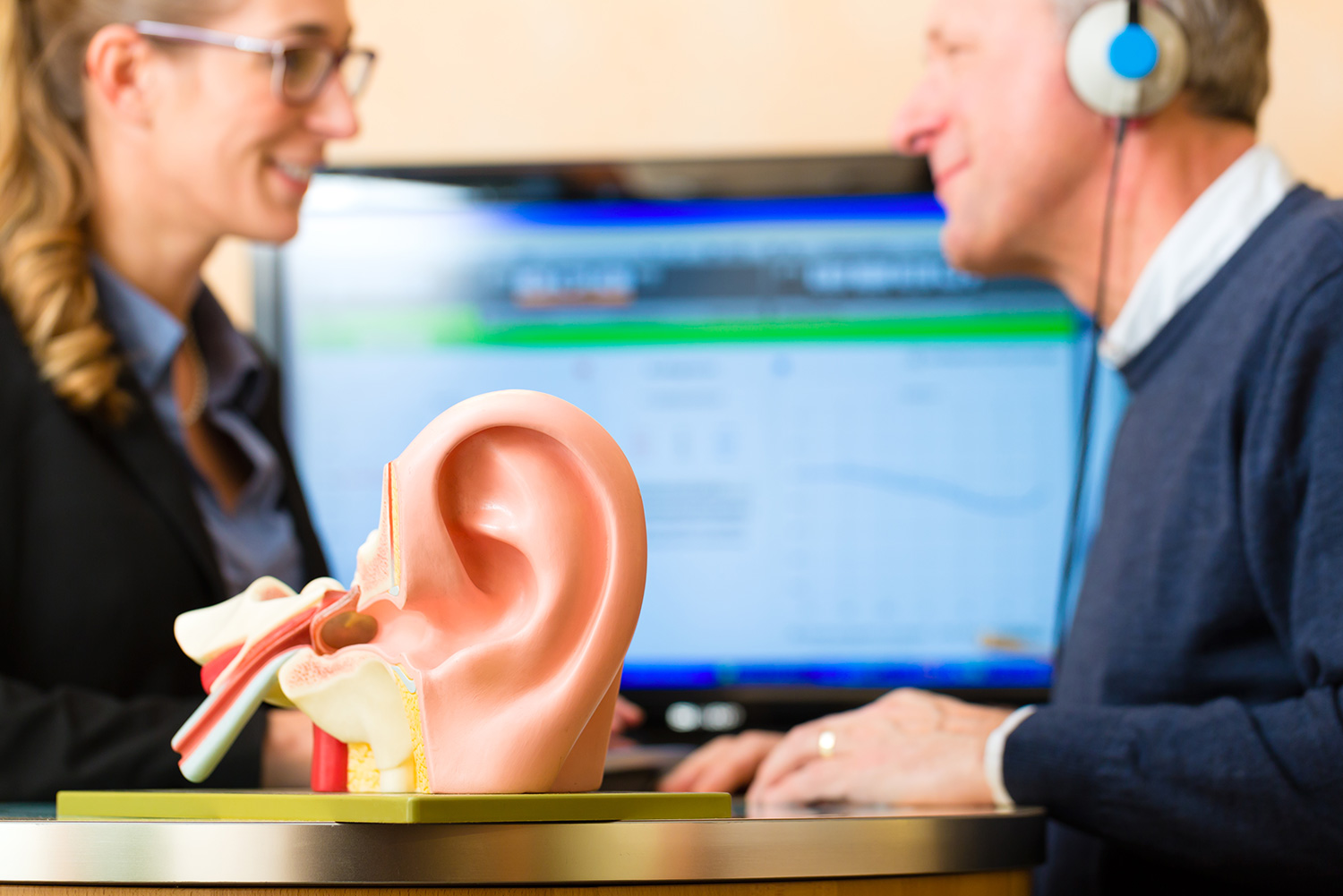
At NeuroAudiology, we take a thorough and evidence-based approach to diagnosing SNHL. This includes:
- Comprehensive Audiological Assessment
We perform pure-tone audiometry, speech testing and middle ear function analysis to determine the type and degree of hearing loss. - Medical and Lifestyle History
We explore noise exposure, medication history, previous illnesses, and family background to understand potential causes. - Cochlear Implant Candidacy Evaluation
For individuals with significant hearing loss who may benefit from implants, we provide full assessments and rehabilitation programs through Hearing Implants Australia. - Specialist Referrals
If additional support is needed, we can connect you with our network of experienced ENT specialists and neurologists. We work closely with trusted medical professionals to ensure that your care pathway is smooth, informed and valuable.
Differences Between Sensorineural and Conductive Hearing Loss
| Feature | Sensorineural Hearing Loss | Conductive Hearing Loss |
| Affected Area | Inner ear or auditory nerve | Outer or middle ear |
| Common Causes | Age, noise exposure, genetics, infections | Earwax, infections, fluid or injury |
| Is it Permanent? | Usually permanent | Often temporary or medically treatable |
| Treatment Options | Hearing aids, cochlear implants, rehab programs | Medical treatment, surgery or wax removal |
| Speech Clarity | Can be distorted even with louder volume | Usually clear once the sound is loud enough |
| Tinnitus Presence | Common | Less common |
Treatment and Management Options at NeuroAudiology
Although sensorineural hearing loss is usually permanent, modern hearing solutions can make a significant difference.
Hearing Aids
We fit advanced digital hearing aids that are tailored to your hearing profile. These devices support:
- Improved clarity, especially in noisy settings
- Noise reduction and directional microphone features
- Connectivity with smartphones and other assistive devices
Cochlear Implants
For those with severe to profound SNHL who gain limited benefit from hearing aids, cochlear implants may be an effective solution.
We provide:
- Comprehensive implant assessments
- Rehabilitation programs through Hearing Implants Australia
- Ongoing support to help patients adjust and thrive
Auditory Rehabilitation
Our programs support individuals through:
- Auditory training to improve sound recognition
- Communication strategies and speech reading
- Guidance in adjusting to hearing technology
Assistive Listening Devices
We offer recommendations for tools that improve hearing in everyday environments, including:
- Amplified telephones
- TV listening systems
- Remote microphones and FM systems
How to Prevent Sensorineural Hearing Loss
While not all forms of SNHL can be prevented, you can lower your risk by:
- Wearing hearing protection in noisy workplaces or during recreational activities
- Avoiding long exposure to loud sounds or music
- Reviewing medications with your doctor to assess any hearing-related side effects
- Staying active and managing cardiovascular health, as poor circulation can affect the inner ear
- Booking regular hearing tests, especially if you work in high-risk environments
We also offer hearing protection consultations for individuals in noisy professions.
Related Conditions
- Tinnitus: A frequent companion to SNHL, often described as ringing or buzzing in the ears
- Vestibular Disorders: Hearing loss can be accompanied by balance issues if the inner ear is affected
- Auditory Neuropathy Spectrum Disorder (ANSD): A condition where the sound reaches the inner ear but fails to be transmitted clearly to the brain
Supporting You Every Step of the Way
Sensorineural hearing loss can be life-altering, but it does not have to limit your independence or wellbeing. With the right care and early support, you can enjoy improved hearing, better communication and a higher quality of life.
At NeuroAudiology, we are proud to offer:
- Personalised hearing evaluations
- Access to cochlear implant services through Hearing Implants Australia
- Connections with leading ENT specialists and neurologists
- Ongoing hearing health care and support
Book a consultation today and take the first step towards better hearing and a more connected life.
