

Determining the Best Choice for You
Hearing aids have transformed the lives of millions by enhancing their ability to hear and communicate effectively. With so many styles available, choosing the right hearing aid can be overwhelming. This guide will explore the different types of hearing aids, their features, and how to determine the best choice for your unique hearing needs.
Understanding Hearing Aid Styles
Hearing aids come in various styles, each catering to different levels of hearing loss and user preferences. Here’s a breakdown of the most common hearing aid styles:
- Behind-the-Ear (BTE) Hearing Aids
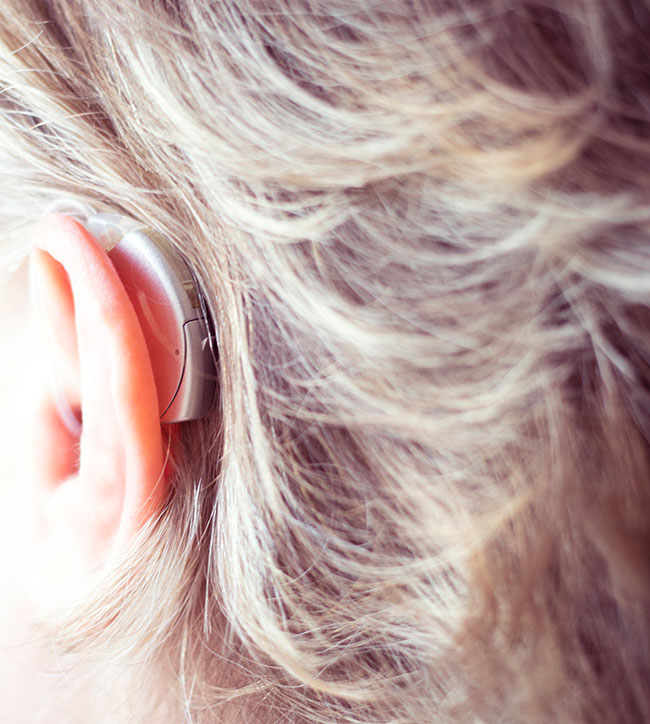
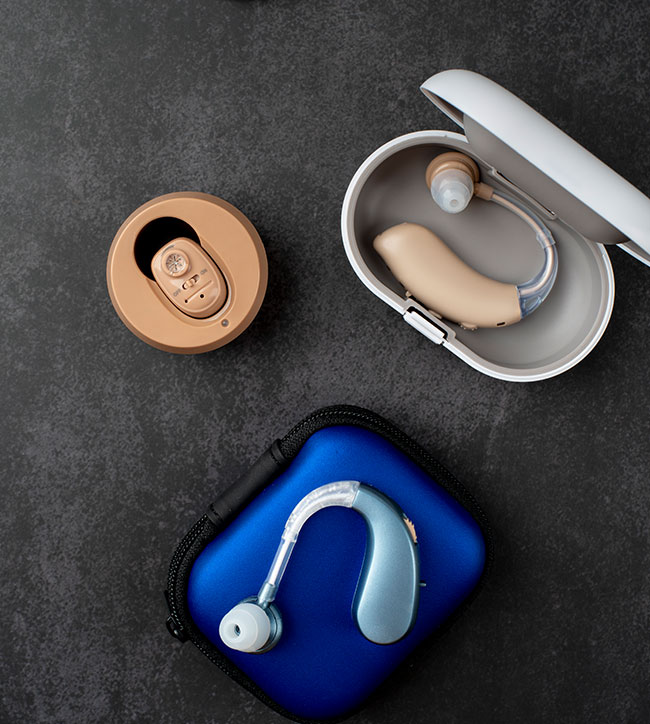
BTE hearing aids are among the most popular and versatile styles. They sit comfortably behind the ear, with a small tube connecting to an ear mould or earpiece in the ear canal. These hearing aids are suitable for mild to profound hearing loss.
- Receiver-in-Canal (RIC) Hearing Aids
RIC hearing aids are like BTE models but use a thin wire instead of a tube, with the receiver (speaker) sitting directly inside the ear canal. These devices provide a more natural sound experience and are a great choice for mild to severe hearing loss.
- In-the-Ear (ITE) Hearing Aids
ITE hearing aids are custom moulded to fit inside the outer ear. They are generally larger than in-canal models but offer more power and features.
- In-the-Canal (ITC) Hearing Aids
ITC hearing aids are smaller than ITE models and fit partially in the ear canal. These provide a balance between visibility and performance.
- Completely-in-Canal (CIC) Hearing Aids
CIC hearing aids are almost invisible, as they sit deep inside the ear canal. They are a popular choice for those seeking discreet hearing aids for mild to moderate hearing loss.
- Invisible-in-Canal (IIC) Hearing Aids
IIC hearing aids are the smallest and most discreet option available. They fit completely inside the ear canal and are ideal for mild to moderate hearing loss.
Comparison of Hearing Aid Styles
| Hearing Aid Style | ||
| Behind-the-Ear (BTE) | Suitable for all ages and degrees of hearing loss, durable and easy to handle, available with advanced features like bluetooth connectivity | More visible than other styles, can be affected by wind noise |
| Receiver-in-Canal (RIC) | More discreet than traditional BTE models, reduces feedback and enhances sound clarity, lightweight and comfortable | Can be more fragile due to external receiver, may require more frequent maintenance |
| In-the-Ear (ITE) | Easier to insert and remove, can include advanced features like volume control and directional microphones, suitable for mild to severe hearing loss | More visible than smaller in-canal models, can pick up more wind noise
|
| In-the-Canal (ITC) | Less visible than ITE models, can accommodate various features, including wireless connectivity | May not be suitable for severe hearing loss, smaller batteries may have shorter life spans
|
| Completely-in-Canal (CIC) | Virtually invisible when worn, less wind noise interference, natural sound quality | Small size can make them difficult to handle, limited features due to their compact design
|
| Invisible-in-Canal (IIC) | Completely hidden from view, provides a natural listening experience | May not be powerful enough for severe hearing loss, requires professional fitting and adjustments
|

How to Determine the Best Hearing Aid for You
Choosing the right hearing aid depends on several factors, including the severity of your hearing loss, lifestyle, and budget. Here are some considerations:
- Degree of Hearing Loss
Different hearing aid styles are better suited for varying degrees of hearing loss. BTE and RIC models are great for severe hearing loss, while ITC and CIC models work well for mild to moderate cases.
- Comfort and Fit
Hearing aids should feel comfortable for daily wear. Custom-moulded ITE and ITC models offer a snug fit, while BTE models are ideal for those who prefer an adjustable, easy-to-wear option.
- Lifestyle Needs
Consider your daily activities and environment. If you are frequently in noisy settings, hearing aids with directional microphones and noise reduction features may be beneficial. For tech-savvy users, Bluetooth-enabled models offer seamless connectivity to smartphones and devices.
- Visibility Preferences
If discretion is important, CIC and IIC models are nearly invisible. However, they may lack certain features available in larger models. Those who prioritise functionality over aesthetics may opt for BTE or RIC models.
- Battery Life and Maintenance
Smaller hearing aids, like CIC and IIC models, have shorter battery life due to their compact size. BTE and RIC models offer longer battery life and easier maintenance.
- Budget Considerations
Hearing aids come in a range of prices depending on their features. It’s essential to balance cost with the benefits each model provides.
- Technology and Features
Some hearing aids come with features like Bluetooth streaming, AI-driven noise reduction, and rechargeable batteries. If you enjoy listening to music or making phone calls, consider a model with connectivity options.
Finding the Right Hearing Aid Provider
Selecting a reputable audiologist or hearing specialist is crucial to finding the best hearing aid for your needs. Look for providers who offer:
- Comprehensive hearing assessments
- Custom hearing aid fittings
- Aftercare support and adjustments
- Trial periods to test different models
- Guidance on hearing aid maintenance and care
Conclusion
There is no one-size-fits-all solution when it comes to hearing aids. Understanding the different styles and their features can help you make an informed decision. Whether you need a discreet in-canal option or a powerful behind-the-ear model, working with a professional audiologist will ensure you get the best hearing aid for your lifestyle and hearing needs.
Investing in the right hearing aid can significantly improve your quality of life. Take the first step by booking a hearing assessment and exploring the options available to you!
